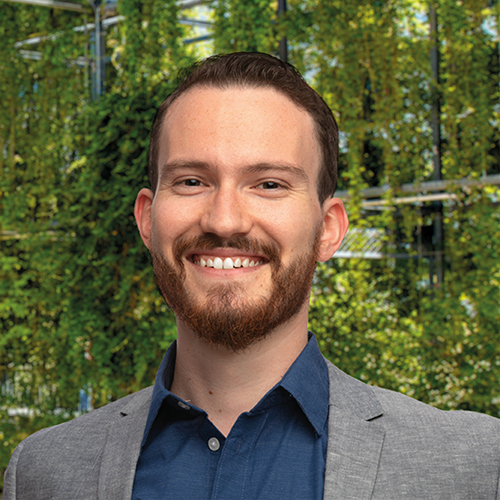
Dr. Daniel Bojar is the Associate Professor for Bioinformatics at the Department for Chemistry and Molecular Biology & the Wallenberg Centre for Molecular and Translational Medicine of the University of Gothenburg. He also is the recipient of a Branco Weiss Fellowship – Society in Science, an ERC Starting Grant, and part of the Forbes 30 Under 30 Europe list.
Test our glycan sequence cleaner + drawer here!
Read about our research in the media:
Seal Milk Is the Cream of the Molecular Crop
Breast milk from rhinos and dolphins and whales, oh my!
Multiomics – A Multi-Layered Answer to Multi-Layered Questions
Revealing the world of carbohydrates – using AI
Researchers Read the Sugary ‘Language’ on Cell Surfaces
Learning the language of sugars
New AI model helps understand virus spread from animals to humans
Opportunities:
Wet-lab + computational MSc thesis projects
Contact daniel.bojar@gu.se
Machine Learning & Systems Glycobiology
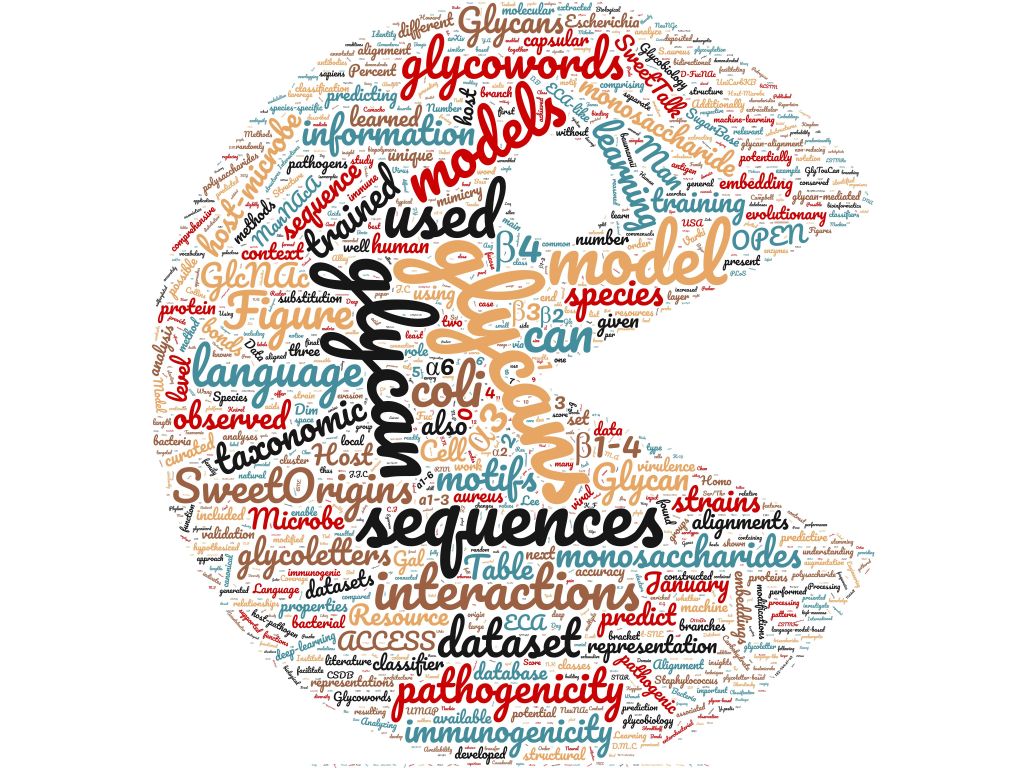
Welcome to the Bojar lab at the Department of Chemistry and Molecular Biology & the Wallenberg Centre for Molecular and Translational Medicine of the University of Gothenburg, Sweden. Our research is at the forefront of glycobiology and machine learning. We have developed the first applications of deep learning to glycobiology: using a language model to predict functional properties from glycan sequences (Bojar et al., Cell Host Microbe 2020, Quanta Magazine), analyzing protein-glycan interactions via graph neural networks (Lundstrøm et al., Adv Sci 2021), or automating structure annotation of glycomics data via residual neural networks (Urban et al., Nat Methods, 2024). Our group is pioneering and applying further machine learning and bioinformatics methods to analyze sequence-to-function relationships in glycans and transform glycobiology into a true systems biology discipline. Our group combines both computational and experimental expertise in multiple model organisms. We value, and firmly believe in, interdisciplinarity within people, pure creativity, and a healthy dose of irreverence for existing dogma.

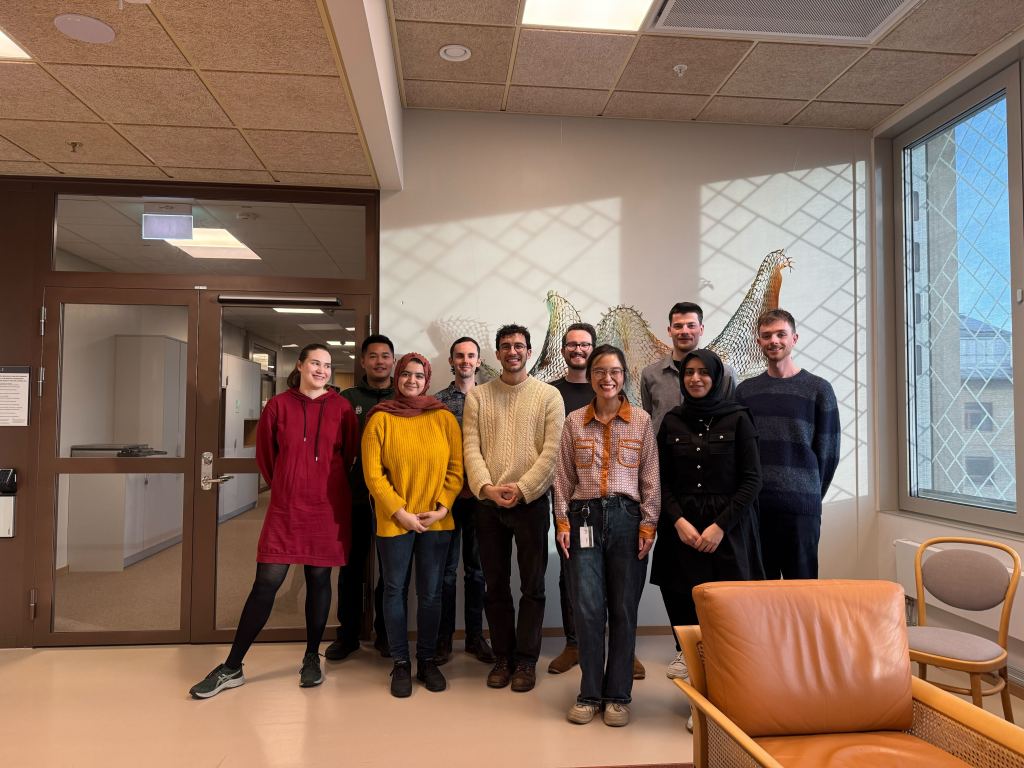
Team
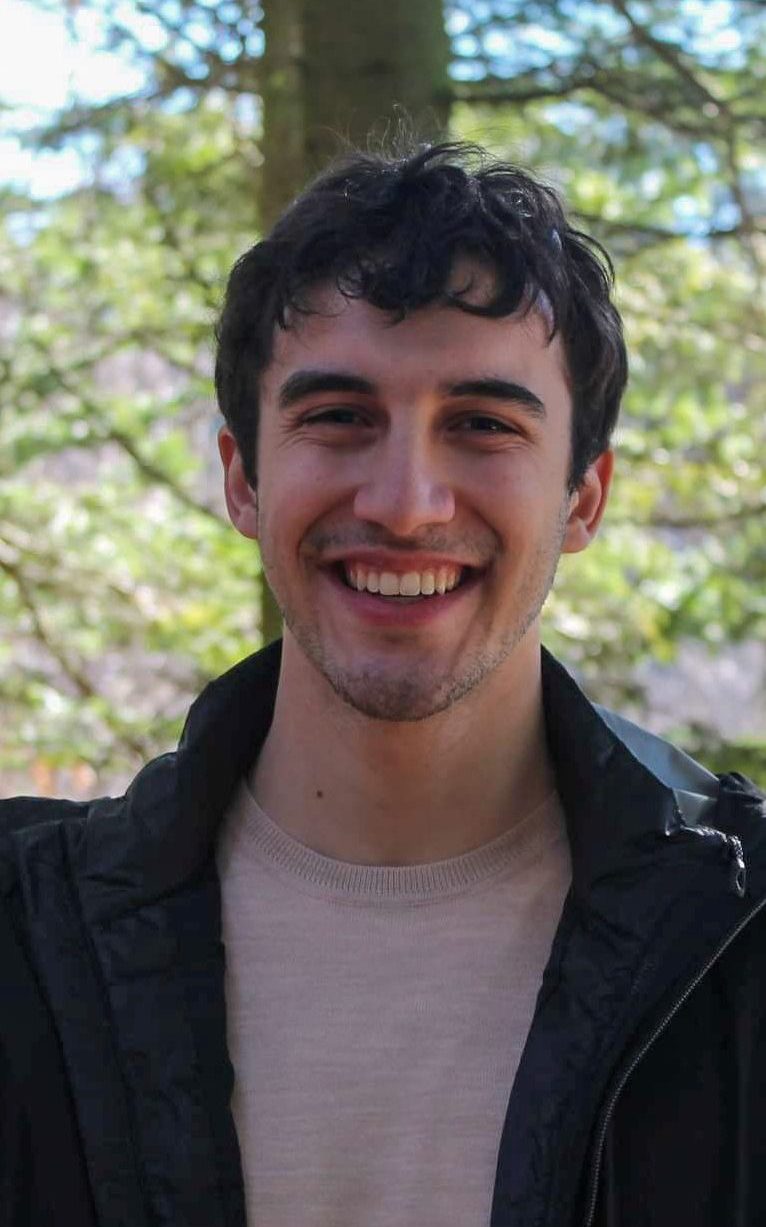
James completed his master’s degree in molecular bioengineering at Imperial College London. During which he spent much of his time tinkering with and learning about how generative models can be applied to biology. His master’s dissertation was focused on investigating whether the language of S. cerevisiae DNA could be modelled well enough to computationally generate viable promoters.
During his PhD, James will seek to further understand biological grammars adhered to by various molecules. He also hopes the nature of the relationships between these sequences in the genome, transcriptome, and glycome become more apparent.
In James’ free time he will be trying to speak to someone in their native language, going to the gym, and overusing the random article button on Wikipedia.
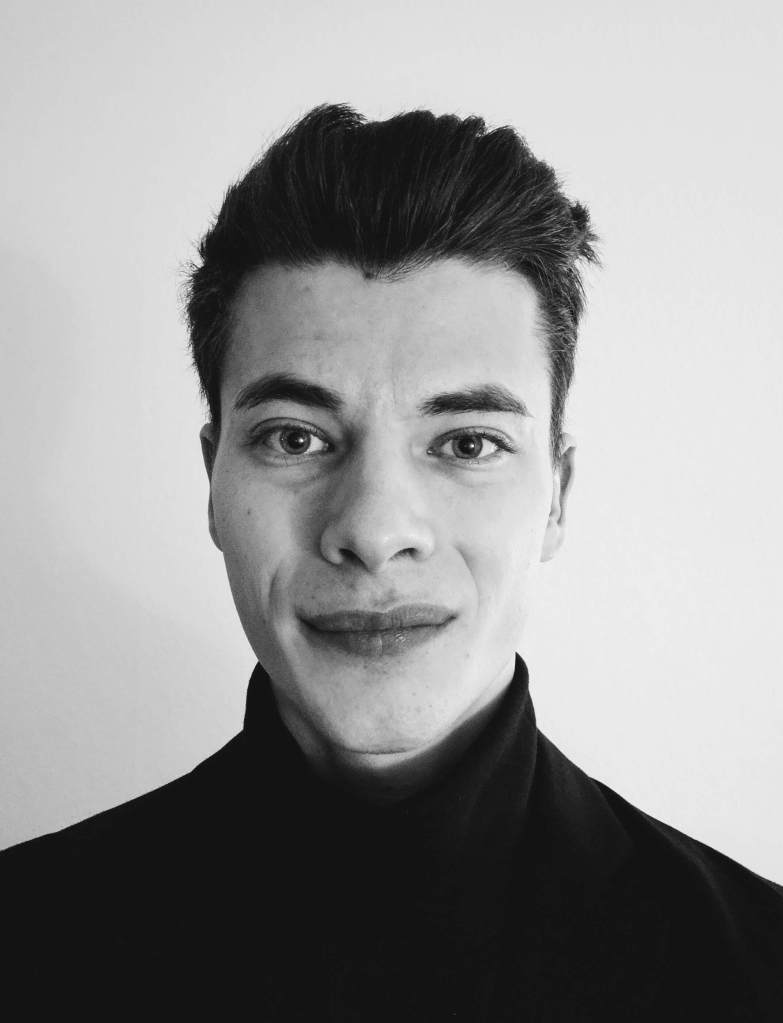
Jon earned his master’s degree in molecular biomedicine from the University of Copenhagen, Denmark, where he investigated immunosuppressive functions of regulatory T cells in multiple sclerosis and neuronal dysfunction in Parkinson’s disease. During his studies, he developed a special interest in high-throughput approaches and the integration of experimental and computational methods to elucidate molecular mechanisms of complex biological systems.
Jon is fascinated by the seemingly endless complexity of glycobiology and excited to contribute towards understanding the sequence-to-function relationships of glycans, as well as we do those of DNA, RNA, and protein, one experiment – or line of code – at a time.
When Jon is not working, you’ll find him obsessing over brewing the perfect cup of coffee or running ultra-long distances, preferably in steep & technical terrain.

Alex completed his PhD at the University of Manchester, where he investigated environmental influences on mucin glycosylation in a wild animal population. His work examined the role of diet, infection, sex, and season in regulating glycosylation. As a postdoc in Gothenburg, Alex is working in collaboration with the Birchenough group to further explore chronobiological patterns of mucin glycosylation, with a particular focus on circadian rhythms. Through integrating temporal glycomics studies with novel bioinformatics developments and specialised mucus analysis we hope to understand rhythmic phenomena at crucial mucosal barrier sites.
When not working Alex enjoys making music, climbing rocks, travelling the world and reading: sci-fi, philosophy and classic fiction.
Josefine completed her master’s degree in molecular biomedicine at the University of Copenhagen, where she optimized an in vitro model combined with neoepitope-specific biomarkers as a translational tool to study extracellular matrix remodeling in intestinal fibroblasts. During her PhD, Josefine will focus on developing biochemical precision tools to monitor and manipulate nuclear glycans to uncover the functional relevance of nuclear glycosylation. In her free time, she enjoys staying active, particularly through body combat training, and experimenting with new recipes in the kitchen.
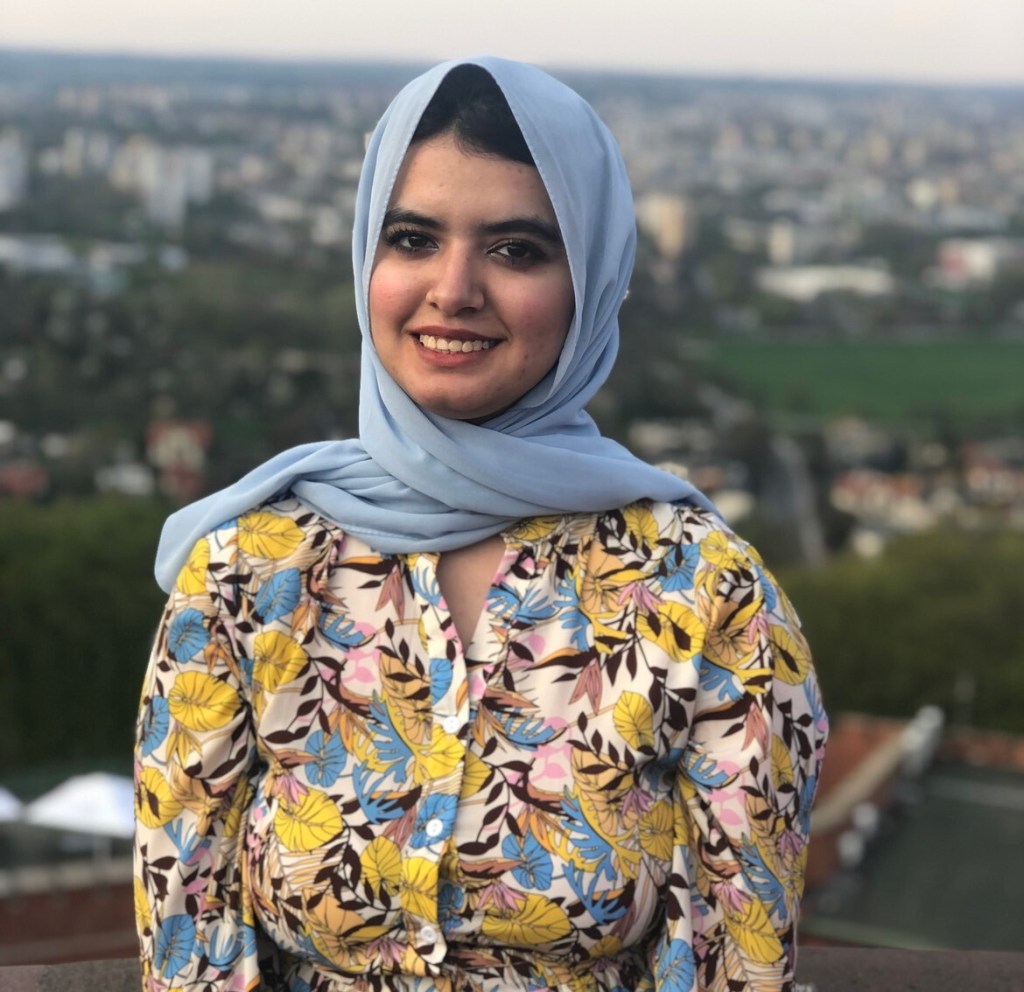
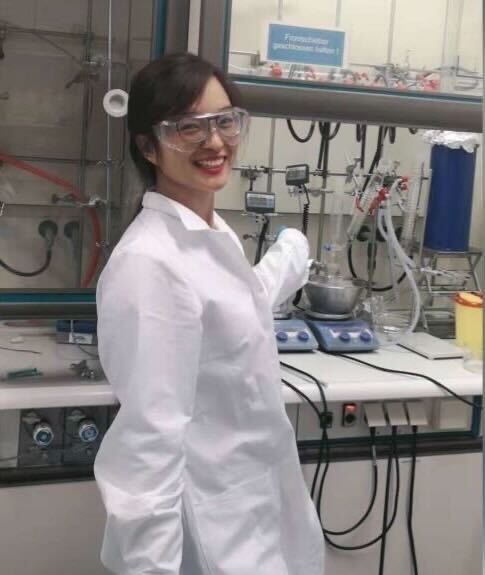
Ujala graduated from the Bioref European Master, a prestigious program jointly taught by the University of Lille, the University of Troyes in France, Cracow University of Technology in Poland, and the University of Bari Aldo Moro in Italy. She did her Master’s thesis at ETH Zürich – Department of Biosystems Science and Engineering, on developing protocols for rapidly identifying conditions for producing anti-microbial peptides in bacteria. During her PhD, Ujala will seek to combine experimental and computational techniques to gain insights into glycan signaling and its potential biomedical applications.
In Ujala’s free time, she will either be walking or hiking while immersing herself in nature or having friends over for enjoying her delicious Pakistani cuisine. She takes a lot of joy in sharing her culture and learning about new things.
Jingmei completed her PhD from Linnaeus University, focused on acute myeloid leukemia (AML), where she investigated drug rotation and combination protocols, established drug-resistant cell lines, and applied sequencing approaches to uncover mechanisms of obtained drug resistance. As a postdoc at Gothenburg University, Jingmei’s research will focus on the sensitive detection of glycosylation, with the goal of developing novel tools for disease diagnosis and treatment.
In her free time, she is working hard on learning Swedish (and sometimes getting confused with the crazy grammar) and is always up for a good fika.
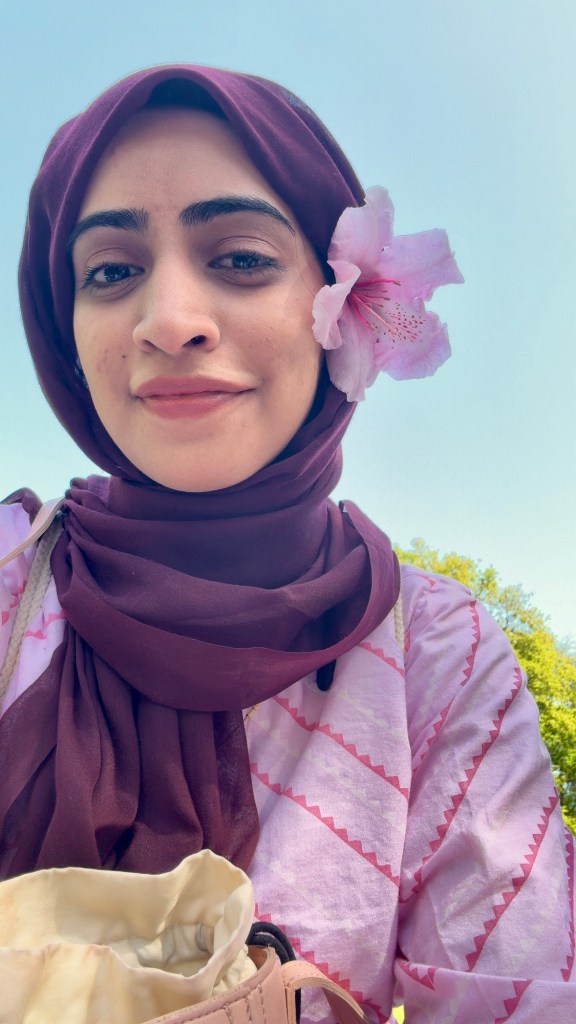
Sara completed her Master’s in biochemistry and molecular biology at the University of Bremen in Germany, where she investigated the role of glycosylation, particularly O-GlcNAc modification, in protein structure and function in mammalian cells.
During her PhD, Sara will investigate the functional role of nuclear glycosylation and how glycan-mediated interactions influence cellular processes.
In her free time, she likes to surround herself with friends and nature. She likes to draw and color. Out of the lab she experiments with international cuisines and takes pleasure in sharing her dishes with friends and family.
Lachlan completed his PhD at RMIT University, where he investigated the genome and glycome of a marine parasite. As a postdoc at the CSIRO Australian Centre for Disease Preparedness, he sequenced and assembled the genomes of aquatic viruses to construct phylogenies and develop novel diagnostic assays. His postdoc at the University of Gothenburg will investigate the evolution, biosynthesis, and function of non-human milk oligosaccharides using wet-lab and in silico methods.
Lachlan enjoys reading, nerdy board games, and connecting with family and friends.
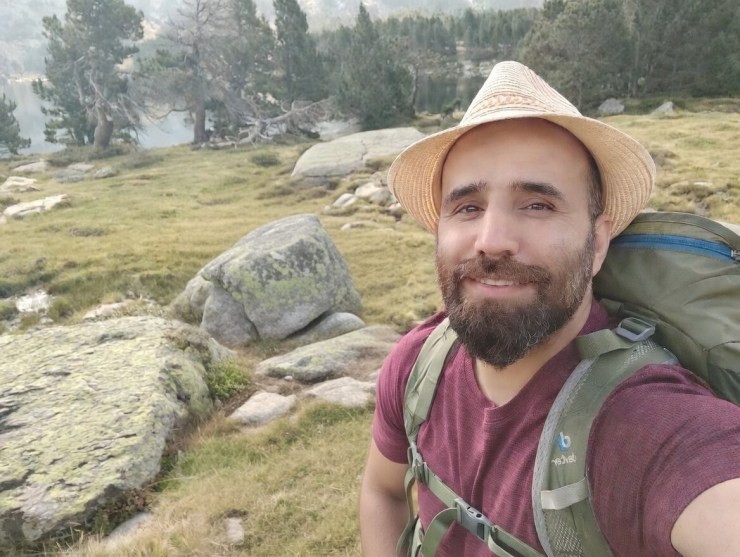
Vahid completed his first master’s degree in Animal Science at Razi University in Iran and his second master’s degree in Bioinformatics at Saarland University in Germany. Throughout his research, he has focused on understanding molecular interactions using both in vivo and in silico approaches. His last master’s thesis investigated data leakage in deep-learning models for predicting enzyme–small molecule interactions and also developed a transformer-based framework for predicting enzyme-small molecule interaction types and built a dataset for this task. During his PhD, Vahid aims to further explore how glycans and lectins encode functional information and how deep learning models can uncover the latent structure governing glycan–lectin interactions. In his free time, Vahid enjoys spending time with animals, especially dogs, walking in nature, and playing music. His favorite sports are freestyle wrestling and working out at the gym.
Xinyu graduated from the National Center for Protein Sciences, Beijing, and Hebei University, where his research primarily focused on (glyco)proteomics and artificial intelligence (AI) to identify a panel of novel glyco-based biomarkers. As a PhD candidate at Gothenburg University, Xinyu will continue his research on glycoproteomics and AI. In his free time, he enjoys practicing Chinese Kung Fu, boxing, and traveling.
Alumni
- Siyu (Zoe) Hu (MSc project): August 2025 – January 2026
- Zeynep Akdeniz (postdoc): October 2024 – October 2025
- Ella Kronqvist (BSc thesis): April 2025 – September 2025
- Emilia Vogel (BSc project): April 2025 – June 2025.
- Simon Håkansson (BSc thesis): April 2025 – June 2025.
- Deniz Muratlı (Erasmus+ exchange): June 2024 – December 2024.
- Roman Joeres (visiting PhD student): May 2024 – May 2025.
- Francesco Vacca (MSc thesis): May 2024 – October 2024.
- Deniz Yildiz (BSc thesis): April 2024 – June 2024.
- Wilma Björkman (MSc thesis): September 2023 – May 2024.
- Hila Nordén (research assistant): January 2023 – February 2024.
- Christina Grozou (MSc project): January 2023 – July 2023.
- Luc Thomès (postdoc): May 2021 – May 2023.
- Viktoria Karlsson (MSc thesis): September 2021 – June 2022
- Emma Korhonen (MSc thesis + research assistant): June 2021 – October 2022.
Research
Our multidisciplinary team is committed to advancing our understanding of the complex world of glycans and their interactions with proteins. Through cutting-edge mass spectrometry analysis and machine learning algorithms, we automate glycan structural annotation, facilitate glycomics data analysis, and delve into applications spanning biodiversity, evolution, and disease. To democratize these advanced tools and methodologies, we have developed and maintain glycowork, the most feature-complete Python package to serve as a computational ecosystem for glycobiology (Thomès et al., Glycobiology, 2021).
Glycomics
Our lab is revolutionizing the field of glycomics through the use of advanced mass spectrometry techniques. We have developed a state-of-the-art, AI-driven platform that automates glycan structural annotation and data analysis (Urban et al., Nat Methods, 2024). By incorporating machine learning algorithms and data science methods, we offer rapid and accurate structural elucidation, as well as enrichment and differential expression analyses (Lundstrøm et al., Cell Rep Methods, 2023; Bennett et al., Nat Commun, 2025). We ourselves apply these methods in various important contexts:
- Biodiversity and Evolution: We have a special focus on the characterization of milk oligosaccharides across diverse mammalian species (Jin et al., Mol Cell Proteomics, 2023; Jin et al., Nat Commun, 2025). Understanding these variations helps shed light on evolutionary relationships and functional conservation (Thomès et al., Cell Rep, 2023).
- Disease: Our techniques are paving the way for better understanding of the role of glycans in various diseases. This includes our discovery of nuclear glycosylation as a widespread post-translational modification (Lundstrøm et al., bioRxiv, 2025), opening avenues for novel diagnostics and therapeutic targets.
Nuclear Glycosylation
A central focus of our lab is the discovery that extended O-glycans are a common post-translational modification on proteins inside mammalian nuclei, overturning the long-standing assumption that extended glycosylation is restricted to the secretory pathway and extracellular space (Lundstrøm et al., bioRxiv, 2025). Through comprehensive genetic and biochemical analyses across multiple mammalian cell lines and primary cells, we showed that these glycans originate in the secretory pathway yet reach the nucleus via active vesicular transport. Among the intra-nuclear glycoproteins we identified are RNA-binding proteins including KHSRP/FUBP2 and RBM12, linking nuclear glycosylation directly to RNA processing. This opens an entirely new research frontier at the intersection of glycobiology, nuclear biology, and gene regulation, with broad implications for how post-translational modifications govern cellular function in health and disease.
Protein-Glycan Binding
In addition to our work in glycomics, our research extends to the complex world of protein-glycan interactions. Here, we are focused on:
- AI-Driven Lectin Specificity: Using machine learning, we are demystifying the complexities surrounding lectin specificity (Bojar et al., ACS Chem Biol, 2022, Lundstrøm et al., Adv Sci, 2022), offering predictive models that accelerate research in this domain. We complement this with structural analyses of glycan-protein interfaces to reveal the determinants of binding (Thomès et al., Nat Commun, 2025).
- Biomining and Characterizing New Lectins: We employ high-throughput screening and other advanced techniques to discover and characterize new lectins (Lundstrøm et al., Beilstein J Org Chem, 2024) with potential applications in biotechnology and medicine.
- Designing New Lectins: Our work doesn’t stop at discovery. We are also involved in the rational design of new lectins with tailored specificities, contributing to the development of next-generation diagnostics and therapies.
Selected Publications (Full List)
02/2026 Hu, S. and Bojar, D. GlycoForge generates realistic glycomics data under known ground truth for rigorous method benchmarking. bioRxiv, doi:10.64898/2026.02.20.707134
01/2026 Bennett, A.R., Birchenough, G., Bojar, D. PyCycleBio: modelling non-sinusoidal-oscillator systems in temporal biology. Bioinform Adv, doi: 10.1093/bioadv/vbag018
12/2025 Thomès, L., Joeres, R., Akdeniz, Z., Bojar, D. GlyContact reveals structure-function relationships in glycans. Nat Commun: doi: 10.1038/s41467-025-67590-y
12/2025 Lundstrøm, J., Fong, M., Thorsell, A., Mirgorodskaya, E., Fuchs, J., Bashir, U., Hintzen, J.C.J., Jin, C., Mohideen, F.I., Lobo, V., Shcherbinina, E., Tietze, A.A., Mahal, L.K., Sarshad, A.S., Bojar D. Extended nuclear glycosylation regulates RNA processing. bioRxiv, doi: 10.64898/2025.12.02.691741
12/2025 Urban, J., Joeres, R., Bojar D. Bridging Worlds: Connecting Glycan Representations with Glycoinformatics via Universal Input and a Canonicalized Nomenclature. Bioinform Adv, doi: 10.1093/bioadv/vbaf310
11/2025 Jin, C., Lundstrøm, J., Cori, C., Guu, S-H., Bennett, A.R., Dannborg, M., Pomeroy, P.P., Kennedy, M.W., Bengtsson-Palme, J., Hevey, R., Khoo, K-H., Bojar, D. Seal milk oligosaccharides rival human milk complexity and exhibit functional dynamics during lactation. Nat Commun, doi: 10.1038/s41467-025-66075-2
01/2025 Bennett, A.R., Lundstrøm, J., Chatterjee, S., Thaysen-Andersen, M., and Bojar, D. Compositional Data Analysis Enables Statistical Rigor in Comparative Glycomics. Nat Commun, doi: 10.1038/s41467-025-56249-3.
10/2024 Joeres, R. and Bojar, D. Higher Order Message Passing for Glycan Representation Learning. Proceedings of the ’Machine Learning in Structural Biology’ workshop at NeurIPS, arXiv.
08/2024 Urban, J., Joeres, R., Thomès, L., Thomsson, K.A., and Bojar, D. Navigating the Maze of Mass Spectra: A Machine-Learning Guide to Identifying Diagnostic Ions in O-Glycan Analysis. Anal Bioanal Chem, doi:10.1007/s00216-024-05500-9.
07/2024 Urban J., Jin C., Thomsson, K.A., Karlsson N.G., Ives, C.M., Fadda, E., and Bojar, D. Predicting glycan structure from tandem mass spectrometry via deep learning. Nat Methods, doi:10.1038/s41592-024-02314-6.
04/2024 Bennett, A.R. and Bojar, D. Syntactic Sugars: Crafting a Regular Expression Framework for Glycan Structures. Bioinform Adv, 4:vbae059
04/2024 Lundstrøm, J., Thomès, L., and Bojar, D. Protocol for constructing glycan biosynthetic networks using glycowork. STAR Protoc, 5:102937.
02/2024 Lundstrøm, J. and Bojar, D. The Evolving World of Milk Oligosaccharides: Biochemical Diversity Understood by Computational Advances. Carbohydr Res, 109069.
02/2024 Lundstrøm J., Gillon, E., Chazalet, V., Kerekes, N., Di Maio, A., Liu, Y., Feizi, T., Varrot, A., and Bojar, D. Elucidating the Glycan-Binding Specificity and Structure of Cucumis melo Agglutinin, a New R-Type Lectin. Beilstein J Org Chem, 20:306-320.
11/2023 Lundstrøm J., Urban, J., and Bojar, D. Decoding Glycomics: Differential Expression Reimagined. Cell Rep Methods, doi:10.1016/j.crmeth.2023.100652.
08/2023 Jin, C., Lundstrøm J., Korhonen, E., Luis, A.S., and Bojar, D. Breast Milk Oligosaccharides Contain Immunomodulatory Glucuronic Acid and LacdiNAc. Mol Cell Proteomics, doi:10.1016/j.mcpro.2023.100635.
07/2023 Lundstrøm J., Urban, J., Thomès, L., and Bojar, D. GlycoDraw: A Python Implementation for Generating High-Quality Glycan Figures, Glycobiology, doi:10.1093/glycob/cwad063.
06/2023 Thomès, L., Karlsson, V., Lundstrøm J., and Bojar, D. Mammalian Milk Glycomes: Connecting the Dots between Evolutionary Conservation and Biosynthetic Pathways, Cell Rep, doi:10.1016/j.celrep.2023.112710.
03/2023 Joeres, R., Bojar, D., and Kalinina, O.V. GlyLES: Grammar-based Parsing of Glycans from IUPAC-condensed to SMILES, J Cheminformatics, doi:10.1186/s13321-023-00704-0.
09/2022 Qin, R., Mahal, L.K., and Bojar, D. Deep Learning Explains the Biology of Branched Glycans from Single-Cell Sequencing Data, iScience, doi:10.1016/j.isci.2022.105163.
08/2022 Bojar, D. and Lisacek, F. Glycoinformatics in the Artificial Intelligence Era, Chem Rev, doi:10.1021/acs.chemrev.2c00110.
01/2022 Bojar, D., Meche, L., Meng, G., Eng, W., Smith, D.F., Cummings, R.D., Mahal, L.K. A Useful Guide to Lectin Binding: Machine-Learning Directed Annotation of 57 Unique Lectin Specificities. ACS Chem Biol, doi:10.1021/acschembio.1c00689.
12/2021 Lundstrøm, J., Korhonen, E., Lisacek, F., and Bojar, D. LectinOracle – A Generalizable Deep Learning Model for Lectin-Glycan Binding Prediction. Adv Sci, 2103807. (doi:10.1002/advs.202103807).
06/2021 Thomès, L., Burkholz, R., and Bojar, D. Glycowork: A Python package for glycan data science and machine learning. Glycobiology, cwab067. (doi:10.1093/glycob/cwab067)
06/2021 Burkholz, R., Quackenbush, J., and Bojar, D. Using Graph Convolutional Neural Networks to Learn a Representation for Glycans. Cell Rep, 35:109251.
10/2020 Bojar, D., Powers, R.K., Camacho, D.M., and Collins J.J. Deep-Learning Resources for Studying Glycan-Mediated Host-Microbe Interactions. Cell Host Microbe, 29(1):132-144.
Contact us!
We are always looking for highly motivated & open-minded innovators at every career stage! We are interested in both experimentalists as well as computational specialists (bonus points if you are comfortable with both and / or willing to learn). Just send your CV and a cover letter describing your research interests and skill set to daniel.bojar@gu.se. We are looking forward to your application!
 Engineering Life